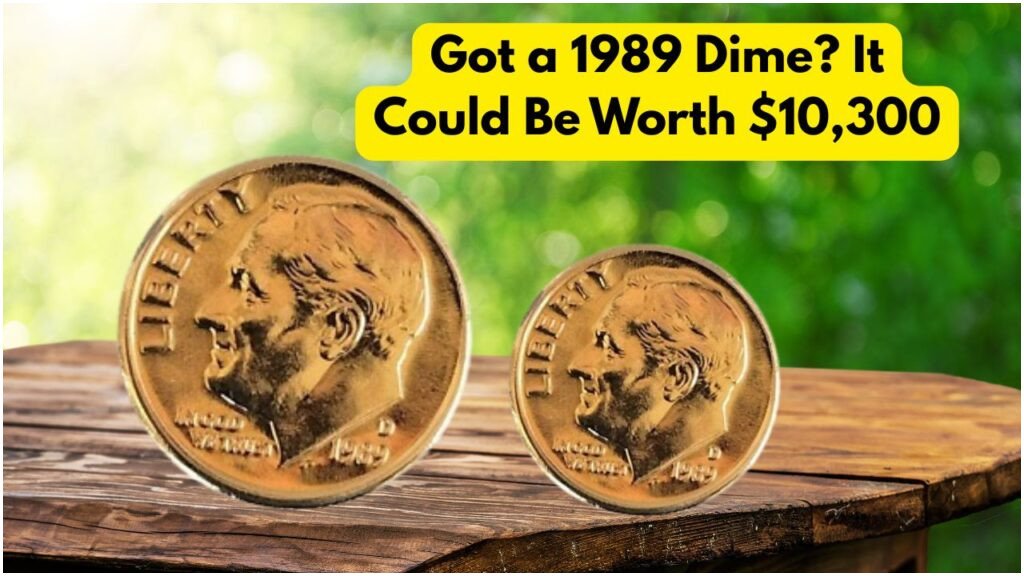
Old Coin Jar – Have you ever dug through an old jar of coins lying around the house and wondered if something inside might be worth more than just its face value? Well, you might want to take a second look. A 1989 Roosevelt Dime – yes, just a regular-looking ten-cent coin – recently made headlines after it was auctioned for a jaw-dropping $10,300! This surprising event has sparked interest among coin collectors, treasure hunters, and everyday people alike who are now rushing to inspect their change for hidden gems. The 1989 Dime might seem like a common piece of change, but rare errors, pristine condition, and specific mint marks can make all the difference. With the rise of numismatic interest in the U.S., it’s no longer just about gold and silver coins; even modern coins from the late 20th century are commanding big prices.
Why Is a 1989 Dime Worth $10,300?
A 10-cent coin fetching over $10,000 sounds unreal, right? But there are solid reasons behind it.
- Minting Errors: The most valuable 1989 Dimes are error coins – such as off-center strikes, double dies, or missing mint marks.
- High-Grade Condition: Coins in “MS67” or higher condition (near-perfect uncirculated) are extremely rare and sought-after.
- Low Population: If only a few coins with that particular error or grade exist, collectors will pay big to acquire one.
- Auction Demand: Competitive bidding at coin auctions can significantly inflate the price if multiple collectors are after the same coin.
Example of the Valuable Dime
Let’s break down the features of the 1989 Dime that was sold for $10,300:
| Attribute | Detail |
|---|---|
| Coin Type | Roosevelt Dime |
| Year | 1989 |
| Mint Mark | D (Denver) |
| Grade | MS68 (Mint State, very high quality) |
| Error Type | Double Die Obverse |
| Auction House | Heritage Auctions |
| Final Price | $10,300 |
| Rarity Status | Very Rare (Only 2 known in this grade) |
How to Check If Your Dime Is Worth Thousands
Before you rush to cash in your dimes, here’s what you need to check:
- Mint Mark: Located on the front (obverse) of the coin near the date. Look for a “D” (Denver), “S” (San Francisco), or “P” (Philadelphia).
- Errors: Use a magnifying glass to spot double numbers, off-center images, or anything unusual.
- Condition: The shinier and more scratch-free, the better. Avoid cleaning your coin—it can reduce its value!
- Authentication: Get your coin graded by a certified authority like PCGS or NGC.
Grading Guide: What Increases Coin Value?
Here’s a quick grading scale used by collectors:
| Grade Code | Description | Value Potential |
|---|---|---|
| G-4 | Good (very worn) | Face value |
| F-12 | Fine | Slightly above face |
| EF-40 | Extremely Fine | $1–$10 |
| AU-50 | About Uncirculated | $10–$30 |
| MS-60+ | Mint State (uncirculated) | $100–$1000+ |
| MS-67+ | Premium Uncirculated | $5,000–$10,000+ |
Where to Sell Your Rare Dimes
If you suspect you have a valuable 1989 Dime, here’s where you can sell it:
- eBay Auctions – Great for rare coins if you know their value.
- Heritage Auctions – Specializes in numismatic sales.
- Local Coin Dealers – Offer in-person evaluations and cash offers.
- Online Marketplaces – Facebook groups, Reddit’s r/coins, or coin collecting forums.
Tips Before Selling
- Get it graded and authenticated by a trusted agency (like PCGS).
- Take high-resolution photos of both sides.
- Include error description (if any).
- Compare with past auction prices for similar coins.
Most Valuable Dimes in U.S. Coin History
Here are some other Roosevelt Dimes and their insane auction values:
| Year | Mint Mark | Special Feature | Sold For |
|---|---|---|---|
| 1982 | No Mint Mark | Missing “P” Error | $12,000 |
| 1975 | No S Proof | Extremely rare | $456,000 |
| 1968-S | No S Proof | Rare and sought-after | $20,000+ |
| 1989-D | Double Die | Mint State MS68 | $10,300 |
What Makes Modern Coins Valuable?
Unlike old gold or silver coins, modern coins can fetch high prices due to:
- Scarcity in High Grades
- Unique Errors
- Collector Demand
- Low Survival Rate in Circulation
Even if a coin is only a few decades old, if it’s one of just a few in near-perfect condition or contains an error, it can be worth thousands.
The story of the $10,300 1989-D Dime proves that you don’t need ancient coins or pirate treasure to strike it rich. Sometimes, it’s as simple as checking the coins in your kitchen jar, your car’s glove box, or that forgotten piggy bank from childhood. With a little research, the right tools, and a sharp eye, you could turn a ten-cent coin into a five-figure payday. So next time you come across spare change, give it a closer look—because that “ordinary” dime might just be extraordinary.
FAQs of Old Coin Jar
Q1. How do I know if my 1989 Dime is valuable?
Look for minting errors, a “D” mint mark, and high-grade condition (MS67 or above).
Q2. Where can I get my coin graded?
You can send it to PCGS (Professional Coin Grading Service) or NGC (Numismatic Guaranty Company).
Q3. Should I clean my coin before selling?
No, cleaning can damage the coin’s surface and reduce its value significantly.
Q4. Can other modern dimes be valuable too?
Yes, several modern dimes with rare errors or in pristine condition can sell for thousands.
Q5. Is it safe to sell coins online?
Yes, if done through reputable platforms like Heritage Auctions, eBay (with buyer protection), or trusted coin dealers.
How can you determine the value of old coins like the 1989 dime?
Consult with coin experts or get them appraised by professionals.
What factors contribute to the high auction prices of rare coins?
Rarity, condition, demand, and historical significance all play a role.
What makes the 1989 dime particularly valuable in the world of coin collecting?
Its rarity, condition, and demand among collectors contribute to its high value.
How can collectors identify valuable coins in their everyday collections?
By researching key dates, mint marks, and condition.
What are some tips for identifying potentially valuable coins in your collection?
Check for rarity, condition, mint mark, and historical significance.
What are some popular methods for selling valuable coins like the 1989 dime?
Auctions, coin shows, online platforms, and specialized dealers are common options.
How can collectors verify the authenticity of rare coins before selling them?
Through reputable coin grading services and expert appraisals.
How can collectors maximize the value of their old coin collections?
By researching, preserving, and selling through reputable channels.
How can collectors store and preserve rare coins like the 1989 dime?
Use protective sleeves or cases to prevent damage and oxidation.
What are some other unexpected valuable coins that could be hiding in plain sight?
Rare pennies, quarters, and nickels from specific years can be valuable.
How can collectors research the history behind valuable coins like the 1989 dime?
Through numismatic books, online resources, and coin forums.
What are some tips for beginners looking to start a coin collection?
Research, store carefully, and consult experts for guidance.
What are some other rare coins from the 1980s that hold significant value?
Coins like the 1982-P Roosevelt Dime or 1983 "No S" Proof Sets.
How can collectors determine the mint condition of rare coins?
Use grading scales like the Sheldon Scale for accurate assessment.
What are some key factors that determine the value of rare coins?
Rarity, condition, demand, and historical significance play a crucial role.
How does the rarity of the 1989 dime contribute to its high value?
Limited mintage and high demand drive its worth in numismatic auctions.
How can collectors authenticate rare coins like the 1989 dime?
Professional grading and certification services provide authentication for rare coins.
How did the 1989 dime become so valuable in the auction market?
Rarity, condition, and collector demand drive its high auction prices.
What are some strategies for beginners to start coin collecting?
Begin with research, handling tools, and basic coins for practice.
What are some common places to search for valuable old coins?
Attics, basements, thrift stores, and inherited collections often yield hidden treasures.
What are some recommended resources for learning about coin collecting values?
Coin collecting guides, online forums, and local coin shops offer valuable information.
How can collectors determine the rarity of a specific coin?
Research mintage numbers and historical significance.
What are some factors that can increase the value of old coins?
Rarity, condition, historical significance, and demand among collectors.
What are some methods to authenticate valuable coins like the 1989 dime?
Professional grading services and authentication certificates are reliable options.
How can collectors find reputable auction houses for selling rare coins?
Research reputable numismatic auction houses for top prices and transparency.
What are some common mistakes to avoid when selling valuable coins?
Proper authentication and reputable buyers are crucial for maximizing profits.
How can collectors auction rare coins like the 1989 dime successfully?
Seek reputable auction houses with numismatic expertise for best results.
How can collectors ensure the proper storage of valuable coin collections?
Use acid-free holders or albums to prevent damage and deterioration.
How can collectors verify the authenticity of rare 1989 dimes?
Authentication through reputable numismatic experts or certification services is crucial.