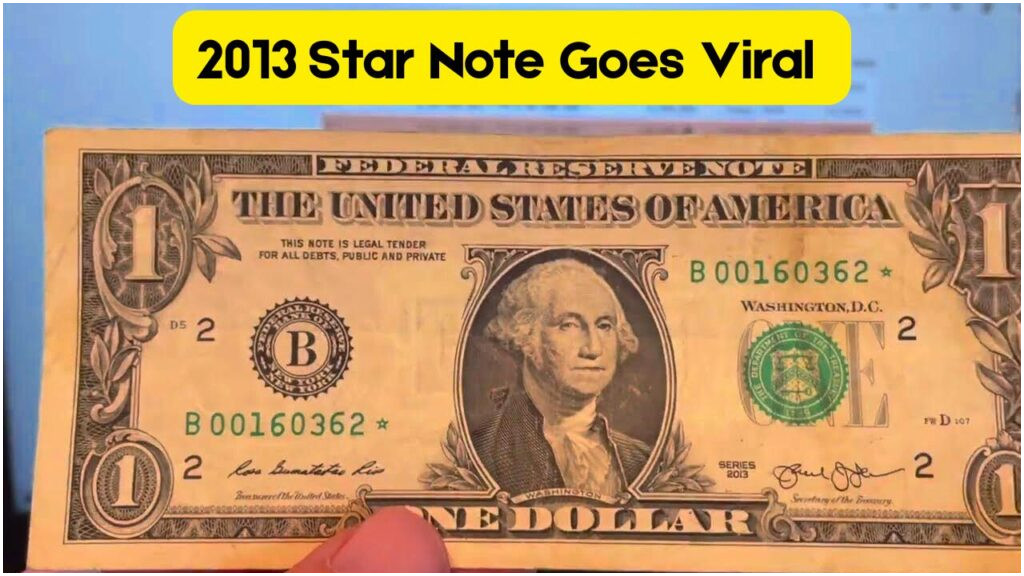
Rare Star Note – In the fascinating world of currency collecting, a rare 2013 Star Note has become the talk of the town, stirring excitement among numismatists and everyday citizens alike. The note, which bears a small but powerful symbol — a star next to the serial number — is now reportedly fetching offers of over $12,000 from collectors due to its rarity, condition, and viral attention online. But what exactly is a Star Note? Why is this 2013 version so special? And could you possibly have one sitting unnoticed in your wallet or drawer? In this article, we’ll explore everything you need to know about this rare find — from its historical context to current market value — and help you discover if you’re unknowingly holding onto a small fortune.
What Is a Star Note?
A Star Note is a replacement banknote that is printed to replace a misprinted or damaged note during the production process. Instead of using the same serial number as the original, a star (*) is added at the end of the serial number to indicate that it is a replacement.
These notes are relatively rare compared to standard notes, especially if produced in smaller batches. The rarity increases based on the year, print run size, denomination, and condition of the note.
Why the 2013 Series Star Note Is So Special
The specific 2013 $1 Star Note gaining attention now is believed to belong to a particularly low print run, possibly from a rare batch produced at either the Fort Worth or Washington D.C. printing facilities. Some of the unique factors making this note viral include:
- Limited run of fewer than 640,000 notes (based on confirmed collector data)
- Unique serial number pattern
- Excellent uncirculated condition (graded MS-65 or higher)
- Confirmed registration in collector databases
- Buzz generated by recent TikTok and YouTube videos
Some collectors have highlighted that this note matches entries on the MyCurrencyCollection Star Note Lookup tool, which confirms its ultra-low print run and collectability.
Value and Recent Offers
While a typical star note might only be worth a few dollars above face value, the 2013 Star Note in question has been valued as high as $12,000+, especially if it meets the following criteria:
- Graded by PMG or PCGS Currency
- No creases, tears, or folds (crisp condition)
- Low or fancy serial number (00000001, 12345678, etc.)**
- Part of known rare runs
Some uncirculated examples listed on auction sites like eBay and Heritage Auctions have already attracted serious bids from collectors in the U.S., Canada, and even Europe.
Star Note Collecting Trends in 2025
Star note collecting has seen a surge in interest in recent years, particularly among younger demographics fueled by social media platforms like TikTok, Reddit, and Instagram. Videos highlighting rare notes, error bills, and unique serial numbers routinely go viral, often leading to spikes in demand for certain bills.
Key trends include:
- Increased demand for $1 and $2 Star Notes
- High values for notes with palindrome, ladder, or low serial numbers
- Cross-over appeal between coin and currency collectors
- Professional grading becoming a necessity for high-value sales
How to Check If You Have a Valuable 2013 Star Note
If you’re curious whether your wallet holds one of these hidden gems, follow these steps:
- Locate the Serial Number: It appears on the top right and bottom left of most U.S. bills.
- Look for a Star Symbol: A small five-pointed star (*) at the end of the serial number indicates it’s a Star Note.
- Check the Series Year: The year should say 2013 just below the Secretary of Treasury’s signature.
- Use the Star Note Lookup Tool: Websites like MyCurrencyCollection.com allow you to input the serial number and see rarity.
- Check Condition: The better the condition, the higher the value. Creases, stains, and folds reduce worth significantly.
What To Do If You Have One
If you discover a 2013 Star Note, especially from a low print run, here’s what to do:
- Keep it in a currency sleeve to protect it from damage.
- Do not fold or write on it.
- Check its rarity using online databases.
- Consider having it professionally graded by a service like PMG (Paper Money Guaranty).
- List it on collector forums or auction platforms like Heritage Auctions or eBay.
You never know — that $1 bill might just pay for your next vacation!
Avoiding Scams
Because of rising demand, fake listings and misleading claims are on the rise. Here are some tips to stay safe:
- Always verify the seller’s credibility when buying.
- Don’t fall for outrageous claims without proof (like “only 10 exist”).
- Be wary of ungraded notes priced unusually high.
- Trust verified grading companies for authentication.
The sudden surge in demand for the 2013 Star Note is a testament to the power of the internet, nostalgia, and the thrill of treasure hunting. Whether you’re a seasoned collector or a casual enthusiast, it’s a great time to check your cash stash. That seemingly ordinary dollar bill might just be worth thousands.
And even if yours isn’t the one going viral, star notes as a whole are fascinating collectibles that are gaining value over time — so hold on to them when you find one!
FAQs of Rare Star Note
Q1. What exactly is a Star Note?
A Star Note is a replacement bill issued when the original is damaged during printing. It’s identified by a star symbol at the end of its serial number.
Q2. Is every 2013 Star Note worth $12,000?
No. Only those with low print runs, perfect condition, and unique serials fetch high prices. Most are worth only a few dollars more than face value.
Q3. Where can I sell my Star Note?
You can sell them on auction sites like eBay, Heritage Auctions, or through currency collector forums.
Q4. How do I know if my Star Note is rare?
Use online databases like MyCurrencyCollection.com to check the print run size and series of your note.
Q5. Should I get my Star Note graded?
Yes, if it’s in excellent condition and from a rare series. Grading adds authenticity and can increase the resale value significantly.